
Key takeaways
- Kitchens need moisture- and grease-resistant paints, not standard emulsion
- Finish affects durability as much as colour does
- Test large swatches in natural light before committing
- Warm neutrals and soft blues suit Brighton & Hove period kitchens well
- Proper preparation is what makes kitchen paint hold up for years
Why kitchens need a different approach to colour
Kitchens sit in a different category from other rooms. Steam, grease, and constant cleaning mean your colour choice has to work alongside a paint that can handle all of that without peeling, staining, or dulling within a year or two of being applied.
Most rooms can get away with a standard emulsion. Kitchens cannot. The combination of moisture from cooking, grease in the air, and repeated wiping means the paint surface takes far more punishment than a bedroom wall ever would.
Colour still matters, but it has to be chosen alongside the right product. A beautiful shade applied in the wrong paint will look tired quickly, and you will be repainting sooner than you should.
I always talk to clients about function first, then colour. Getting both right is what makes a kitchen look fresh for years rather than months.
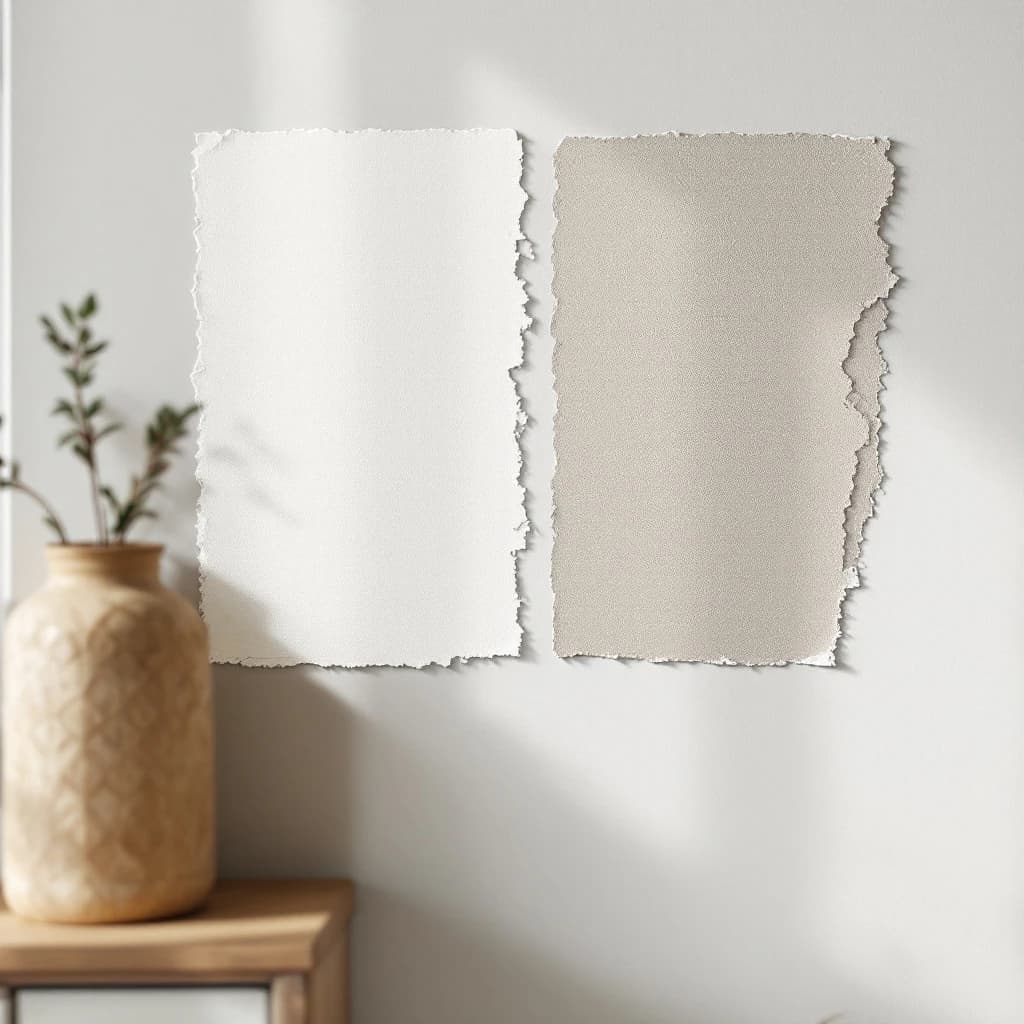
Finish affects durability as much as colour does, and in a kitchen that matters.
Finish matters as much as colour in a kitchen
A flat matt finish that looks lovely in a living room will absorb grease and mark badly above a hob. For kitchen walls, an eggshell or satin finish is a much more reliable option; it wipes clean without the surface breaking down.
For woodwork, skirting, and window frames, a hard-wearing eggshell or satinwood works best. It holds up to knocks and cleaning, and it still looks clean and considered rather than plasticky.
Sheen level also affects how colour reads. The same shade in a matt versus an eggshell finish will look noticeably different on the wall, so it is worth asking to see the finish you are actually going to use before you decide.
Kitchen colour schemes worth considering room by room
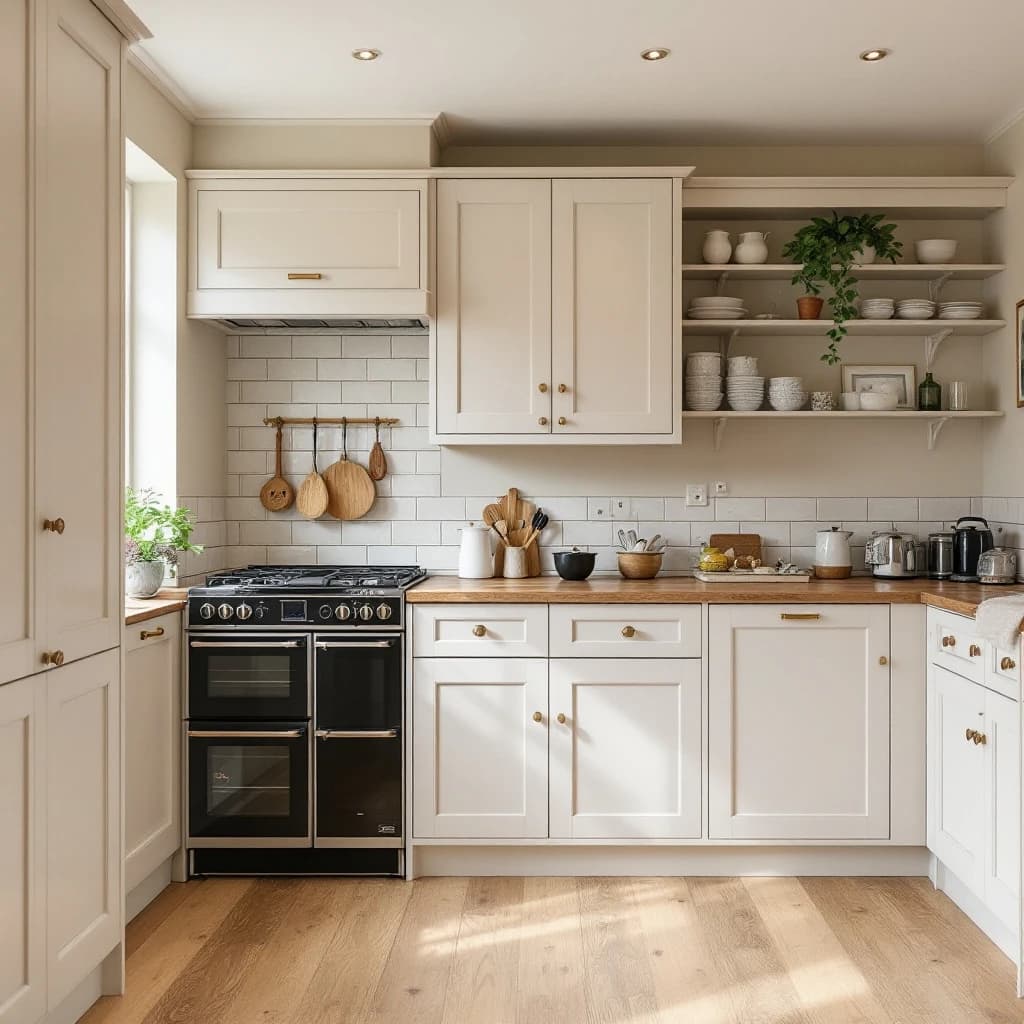
There is no single kitchen colour that suits every home, but some directions work more consistently than others. Warm neutrals, soft whites, muted greens, and dusky blues tend to age well and sit comfortably with the period properties and natural light conditions common across Brighton and Hove.
In a north-facing kitchen, a warm white or soft cream will feel more comfortable than a cool grey, which can read as flat or cold without strong natural light. In a south-facing room, you have more latitude; cooler tones work well and do not feel stark.
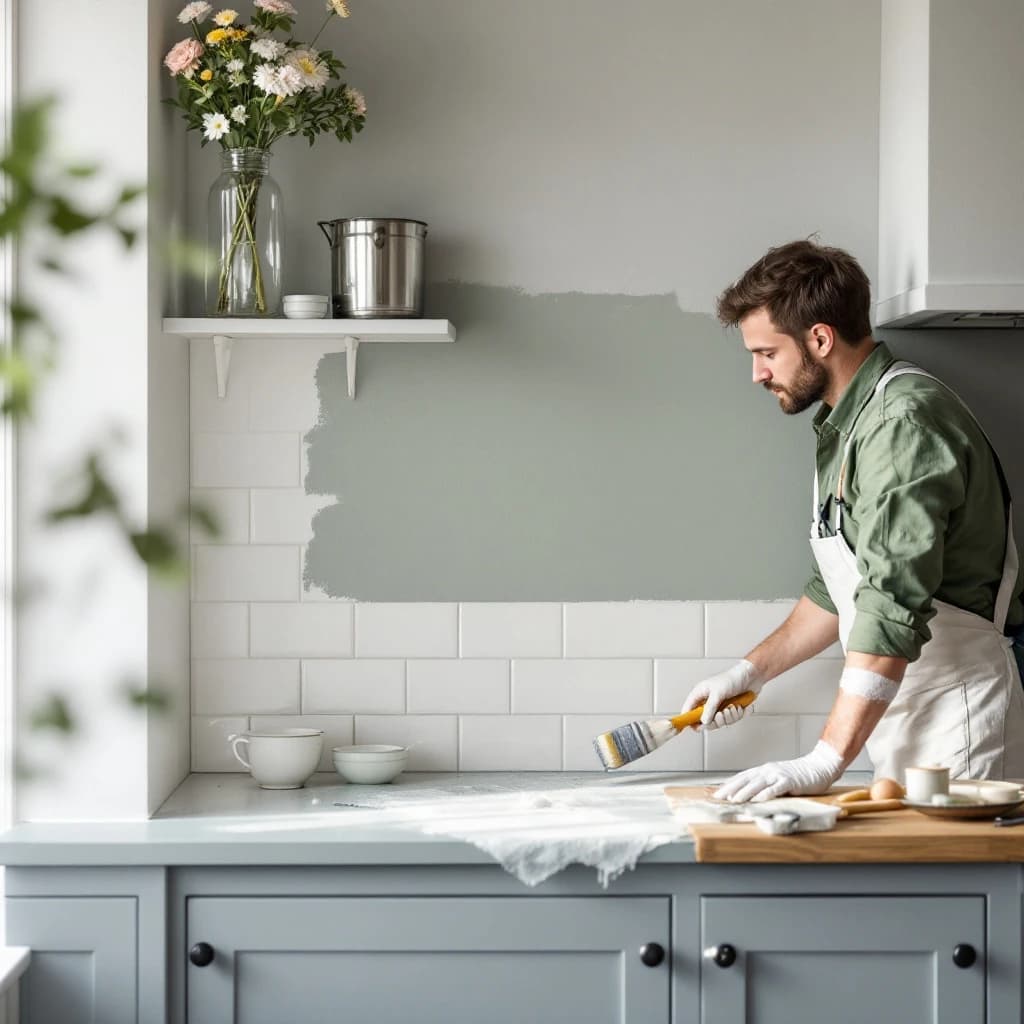
For period terraces common across BN1 and BN2, muted sage greens or chalky blues on walls paired with off-white woodwork tend to feel right with the architecture. They do not fight the original features, and they hold up well to photography if you are selling or letting.
If you want to add interest without committing to a bold wall colour, painting a chimney breast or alcove a shade or two deeper than the main walls is a practical approach. I cover similar thinking in more detail in this post on getting a considered look without spending on a designer.
Getting the colour right before you pick up a brush
Choosing colour from a small chip under artificial light is one of the most common reasons a repaint disappoints. Testing large patches of your shortlisted colours on the actual wall, in natural light and at different times of day, is the single most useful step you can take before committing.
Paint a section at least A4 size, ideally bigger. Live with it for a couple of days and check it in the morning, at midday, and in the evening with your kitchen lighting on. Colours shift considerably depending on light source and time of day.
Proper preparation of the surface matters just as much as the colour choice. Grease, old flaking paint, or poorly filled holes will all show through even a good-quality product. Cutting corners at this stage is what leads to a result that looks fine initially but starts to break down quickly.
If you are unsure where to start, drop me a message or call for a quote and I can advise on colour, finish, and what the job involves before any work begins.
Frequently asked questions
What is the best paint finish for kitchen walls?
An eggshell or satin finish is a strong choice for kitchen walls. Both are more moisture- and grease-resistant than flat matt, and they wipe clean without the surface deteriorating. Standard vinyl matt emulsion is not well suited to a kitchen environment.
Should kitchen walls and units be the same colour?
Not necessarily. Matching walls and units can work in a very considered scheme, but in most kitchens a slight contrast reads better. A common approach is to use the unit colour as a reference point and pick a wall colour one or two tones lighter or warmer, so the room feels cohesive without being flat.
How long does kitchen wall paint last before it needs refreshing?
With the right product, proper preparation, and a finish suited to the environment, kitchen wall paint should hold up well for several years before needing attention. Cutting corners on preparation or using a product not rated for kitchens will shorten that considerably.
More reading
Related service
Want this doing in your own place? See my interior painting & decorating service across Brighton & Hove.