
Renovation Paint: Getting the Finish Right When Everything Else Has Changed
Key takeaways
- New plaster needs a mist coat before any standard emulsion goes on
- Patched surfaces must be primed individually before full coats
- Allow new plaster to dry fully; rushing causes peeling and poor adhesion
- Match your product to the surface, not just the colour you want
- Proper preparation at this stage is what makes the finish last
Why renovation paint is its own challenge
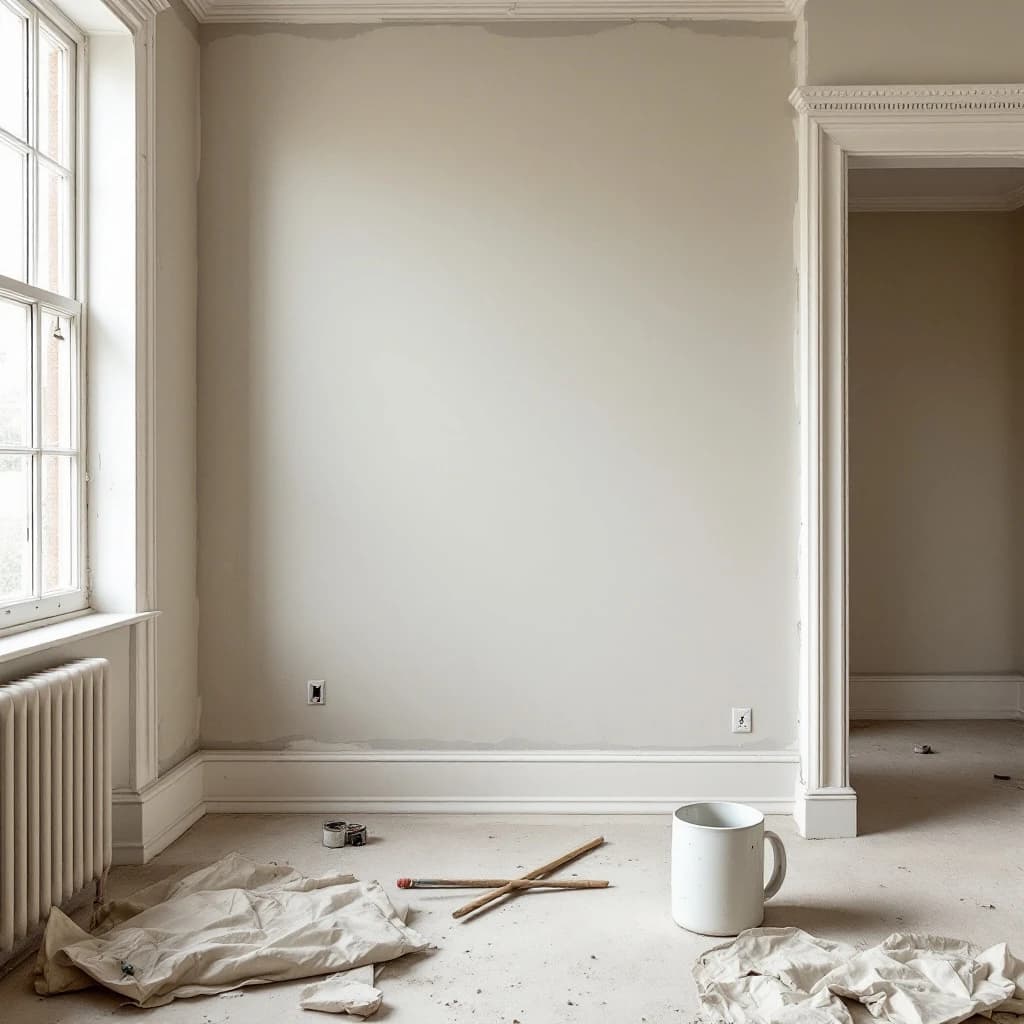
A post-renovation interior isn't the same surface you'd find in a straightforward repaint. New plaster, patched walls, fresh joinery and disturbed substrate all behave differently under paint. Getting a durable finish means recognising those differences before you open a tin.
Most decorating jobs start with a known surface. Renovation work changes that. You can have four different surface conditions in the same room: bare new plaster, old painted wall, filler patches and raw timber.
Each one absorbs paint differently and needs its own approach. Treat them all the same and you'll get an uneven finish at best, peeling and bridging at worst.
I offer a range of interior painting and decorating services across Brighton & Hove, and post-renovation decorating is one of the jobs where cutting corners at the start always costs more later.
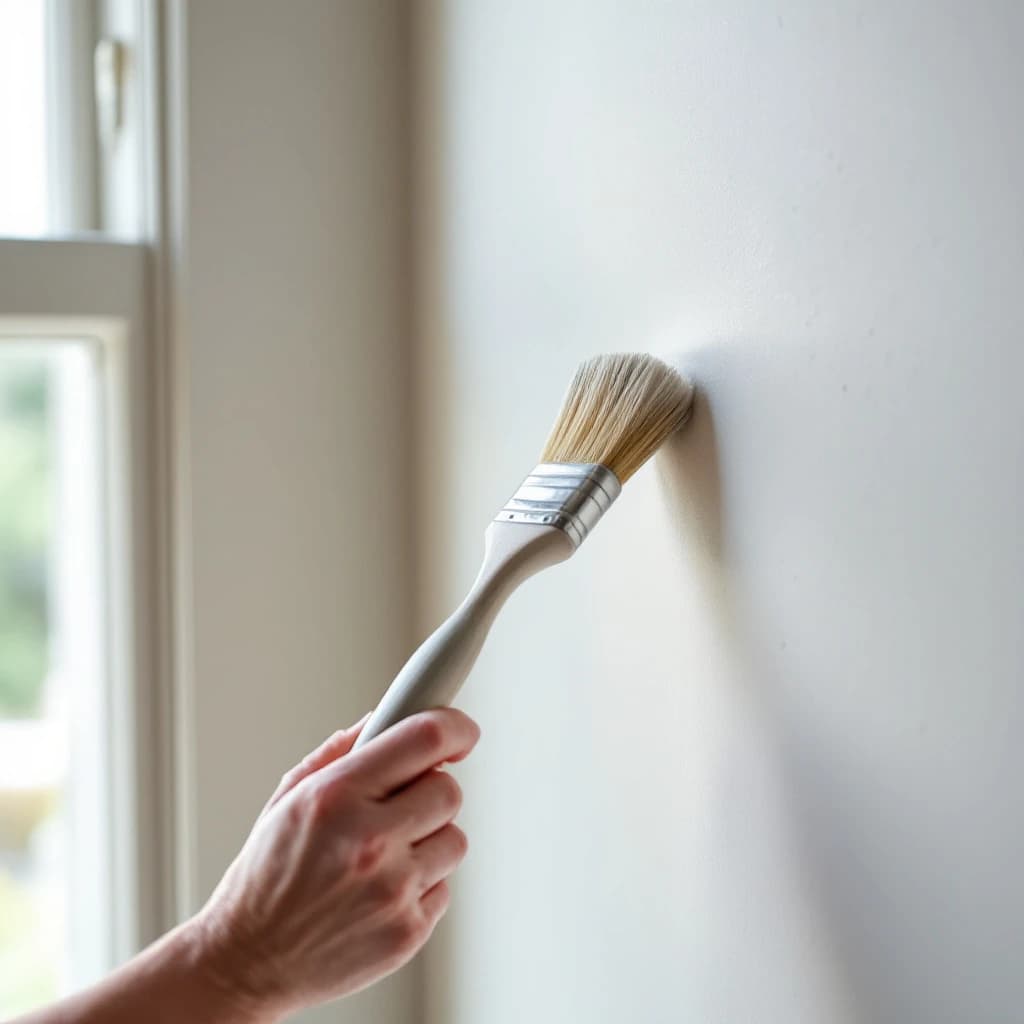
Rush this stage and the paint tells you about it within months.
New plaster, patched surfaces and why preparation decides everything
Fresh plaster is highly alkaline and porous. Apply standard emulsion straight onto it and the plaster pulls moisture from the paint too fast, leaving a patchy, powdery surface that won't bond properly.
The answer is a mist coat: a heavily diluted emulsion, typically around three parts paint to one part water, applied to bare plaster before any full-strength coat goes on. It soaks in, seals the surface and gives subsequent coats something to grip.
Patched areas are a separate consideration. Filler and bonding coats have a different porosity to the surrounding plaster. Without individual priming, those patches show through as dull spots even after two full coats. Rush this stage and the paint tells you about it within months.

Choosing the right products for freshly renovated surfaces
Not every emulsion is suited to post-renovation surfaces. For new plaster, a diluted mist coat from a breathable matt emulsion works well. For bare timber, a proper primer before any topcoat is essential. Matching the product to the surface, rather than reaching for whatever is to hand, is what separates a lasting finish from one that fails early.
For walls and ceilings, a breathable matt emulsion is a reliable option on new plaster once the mist coat has dried fully. Avoid vinyl silk at this stage; it's less breathable and can trap moisture in plaster that's still drying out.
Woodwork, including skirtings, architraves and door frames, needs its own primer or undercoat before any topcoat. Raw or stripped timber is thirsty and will soak up topcoat unevenly without it.
As a Dulux approved and Crown approved decorator with around 20 years working on period properties across BN1, BN2 and BN3, I've found that product choice matters far less than surface preparation. The right product on a poorly prepared surface still fails.
- Breathable matt emulsion for new plaster walls and ceilings
- Mist coat (diluted emulsion) as a first coat on bare plaster
- Dedicated primer or undercoat for raw or stripped timber
- Spot-prime all filler patches before full coats
Getting a finish that holds up once the dust has settled
A good post-renovation finish isn't just about what you apply; it's about when and in what order. Plaster needs adequate drying time. Woodwork needs sanding between coats. Corners, reveals and any junction between old and new surface need extra attention. Do those things and the finish holds up for years.
New plaster can take four weeks or more to dry fully, depending on thickness and ventilation. Painting too soon traps moisture, which causes the paint film to crack or peel as the plaster continues to move.
Once surfaces are ready, the sequence matters. Ceilings first, then walls, then woodwork last. Sand lightly between coats on timber; it removes nibs and gives the next coat proper adhesion.
If you're at the point of planning the decorating stage of a renovation in Brighton & Hove, I'm happy to talk through what's involved. Drop me a line or call for a quote and I'll come and take a look.
Frequently asked questions
Do I need a special paint for newly plastered walls?
You don't need a specialist product, but you do need to apply it correctly. New plaster requires a mist coat first: a diluted emulsion that soaks into the porous surface and gives subsequent coats something to bond to. Skipping this step is the most common reason paint fails on newly plastered walls.
How long should I wait before painting after plastering?
As a general rule, allow at least four weeks for new plaster to dry before applying full coats. Thicker skim or backing coats may need longer. The plaster should be an even, pale colour with no dark damp patches before you start. Painting too soon traps moisture and leads to peeling.
Can I paint over existing walls that have been patched during a renovation?
Yes, but the patches need individual attention first. Filler and bonding coats are more porous than the surrounding painted surface, so they absorb paint at a different rate. Prime or spot-seal each patch before applying full coats, otherwise the patches will show through as dull areas even after the final coat.
More reading
Related service
Want this doing in your own place? See my interior painting & decorating service across Brighton & Hove.