
Redecorating an occupied block without disrupting residents
Key takeaways
- Phase the work floor by floor so access is never fully blocked.
- Notify residents in writing before any work begins.
- Low-odour paints make a real difference in enclosed stairwells.
- Agree a clear scope, schedule, and access plan before work starts.
- Proper preparation protects carpets and door furniture, not just walls.
The real challenge: keeping a building running while the work happens
Decorating an occupied block means juggling the needs of residents who still need to reach their front doors, bring in shopping, and move bikes and buggies through the very spaces being painted. The real job is managing that daily flow while still doing the work properly.
Communal stairwells, hallways, and landings are shared routes, not empty rooms. Every resident passes through them at least twice a day, and some considerably more often.
That means any decorator who treats the job like a vacant property will cause real frustration fast. Residents should never feel trapped or ambushed by the work going on around them.
The answer is not to rush or cut corners on preparation; it is to plan the sequence carefully before a brush is lifted. A well-planned phased redecoration in a managed block causes far less upset than a poorly planned one, even if it takes the same number of days on site.
Residents should never feel trapped or ambushed by the work going on around them.
Why phased working matters in managed blocks
Working floor by floor, or section by section, means that no single part of the building is out of action for long. Residents on the top floor are not inconvenienced while ground-floor work is still drying.
It also makes the job easier to quality-check. Finishing one landing fully before moving to the next means I can see exactly where I am against the agreed scope, and managing agents can inspect as the work progresses rather than waiting for a final handover.
Phasing does require a clear schedule agreed in advance. Ad hoc decisions about which area to tackle next are where blockages and complaints tend to come from. A written plan, shared with the managing agent before day one, keeps everyone informed. Phased communal and block decorating is the core of what I do for managing agents in Hove and Brighton.
Practical steps I take to work around residents
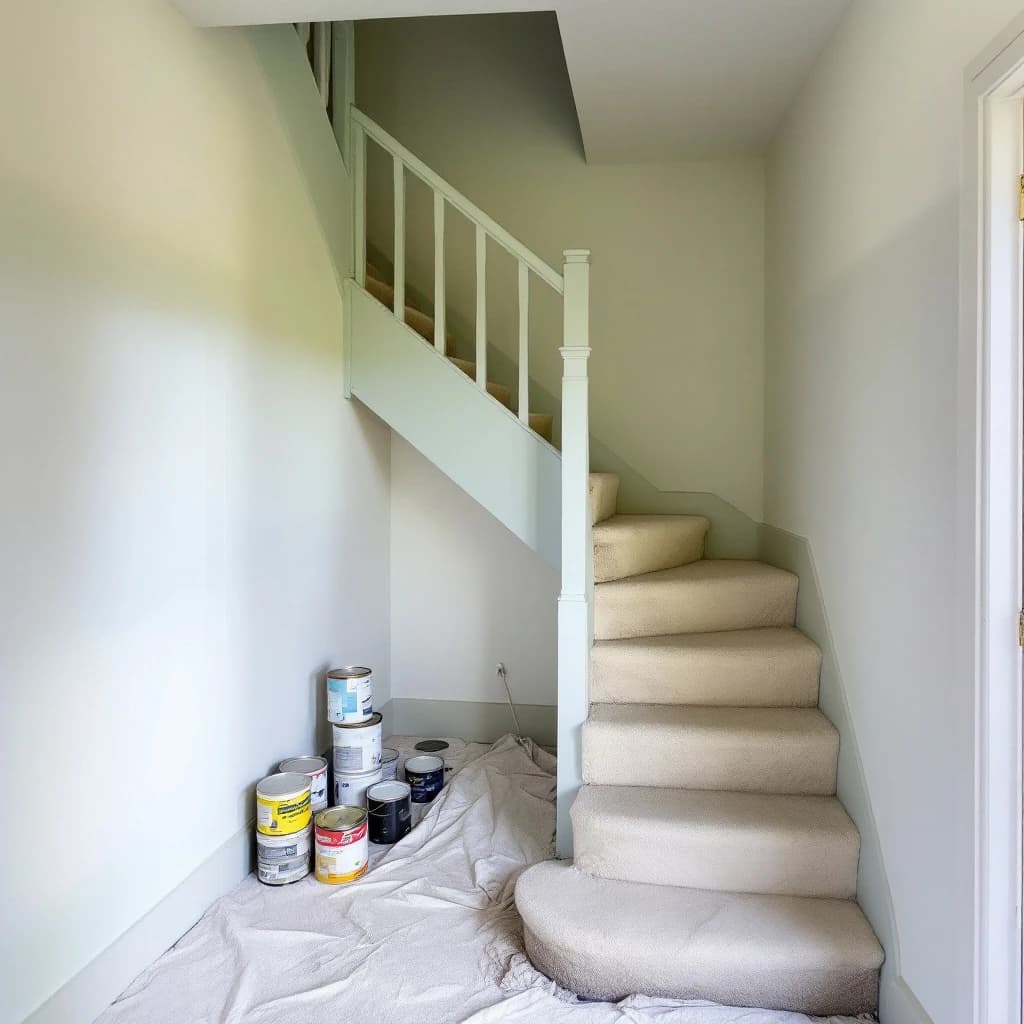
Good communal decorating comes down to preparation, communication, and considerate working habits. Dust sheets down before anyone arrives in the morning, tins stored against one wall rather than across the corridor, and a clear path kept open at all times are the basics that make the difference.
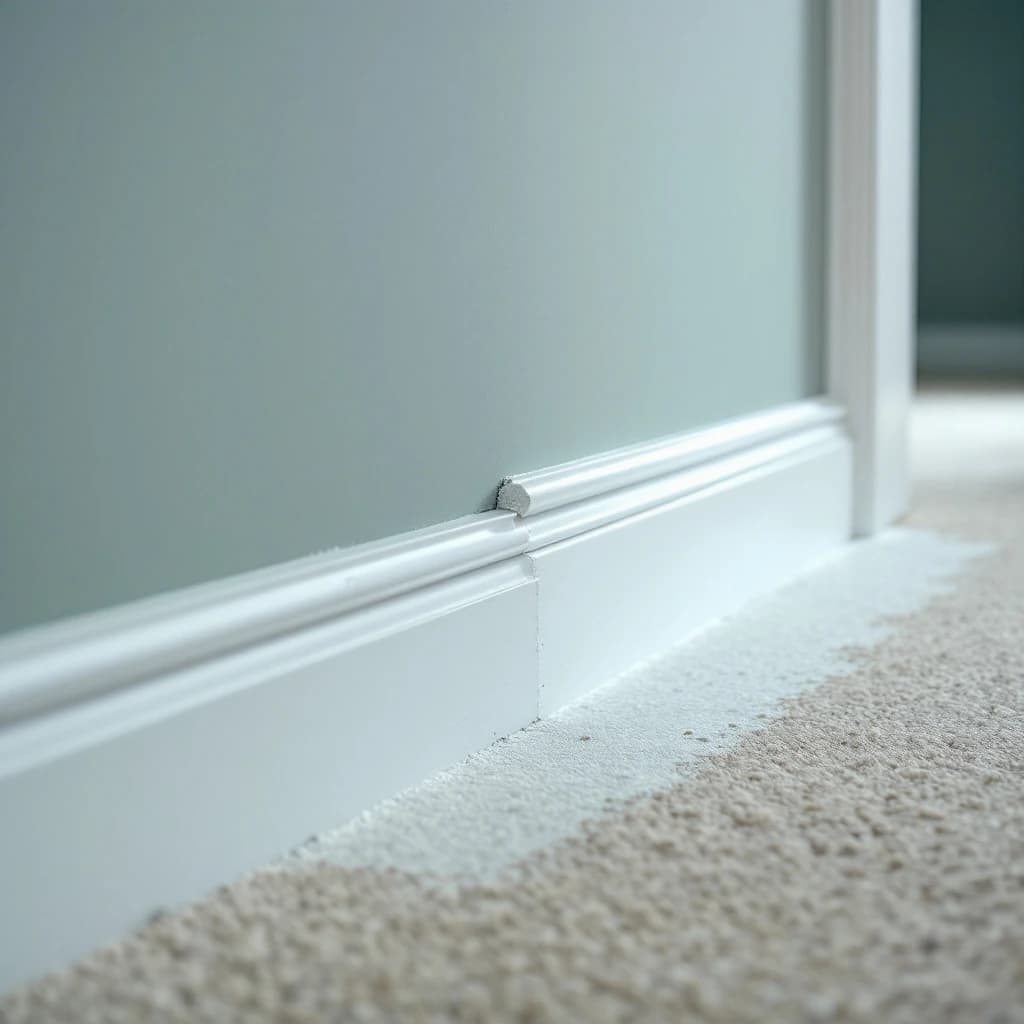
I lay dust sheets over the full width of any carpeted landing before I start, and I keep them weighted at the edges so they do not slide underfoot. Tripping hazards in a stairwell are not acceptable.
For the painting itself, I use low-odour water-based products in enclosed stairwells wherever the spec allows. The smell from solvent-based paints in a sealed hallway lingers for days and affects every flat on that staircase.
I also keep kit consolidated. Tins, brushes, and a roller tray stacked to one side of the landing rather than spread across it means residents can pass without stepping over equipment. It takes a few extra seconds each time I move, but it matters to the people who live there.
- Dust sheets weighted and laid before work begins each morning
- Low-odour water-based paints used in enclosed or poorly ventilated areas
- Equipment kept to one side of the corridor at all times
- A clear pedestrian path maintained throughout every working day
What managing agents should agree with their decorator before work starts
Before any communal redecoration begins, managing agents need a written scope of works, a day-by-day access plan, and confirmation that residents have been notified. Agreeing these three things upfront avoids the majority of complaints and delays that typically derail block decorating jobs.
The scope should specify exactly which surfaces are included: walls, ceilings, skirting boards, door architraves, handrails, and any metalwork. Vague briefs lead to disputes about what was and was not supposed to be done.
Resident notification is the managing agent's responsibility, but I always ask to see confirmation before I arrive on site. A short letter, slipped under doors or sent via the management portal a week ahead, removes almost all the friction. Residents who know what to expect are far more tolerant than those who are surprised by a decorator on their landing at eight in the morning.
If you manage blocks in Brighton and Hove and want to discuss how I approach this kind of work, book a quick site visit and I will talk through the scope with you. Around 20 years working on period properties across BN1, BN2, and BN3, fully insured and using trade-quality paints including Dulux and Crown, means I have handled most of the complications these buildings tend to throw up.
Frequently asked questions
How long does redecorating a communal stairwell typically take in an occupied building?
It depends on the number of floors, the condition of existing surfaces, and how much preparation work is needed. A single stairwell in a three or four storey period conversion might take three to five working days once preparation is included. Phased working across multiple stairwells in a larger managed block will take longer, and that should be reflected in the schedule agreed before work starts.
Do residents need to be notified before communal decorating work begins?
Yes, and it is worth doing so in writing at least a week ahead. A brief note explaining the start date, the areas being worked on, and any temporary restrictions to access is usually enough. Residents who are informed in advance are far less likely to raise complaints during the work. This is normally the managing agent's responsibility, but a good decorator will ask to see confirmation before arriving on site.
Can low-odour paints make a real difference when decorating inside an occupied block?
They can, particularly in enclosed stairwells with limited ventilation. Modern water-based paints have improved significantly in terms of durability and coverage, and the reduction in odour is noticeable compared to solvent-based alternatives. For communal areas in occupied managed blocks they are a reliable option, provided the surface preparation is done properly so the finish holds up for years.
More reading
Related service
Want this doing in your own place? See my communal & block decorating service across Brighton & Hove.