
Exterior Paint Ideas for Homes in Brighton & Hove: What Works Here
Key takeaways
- Stick to period-appropriate palettes on traditional Brighton and Hove terraces.
- Coastal light makes colours read differently; test a sample on the actual wall.
- Use a breathable masonry paint rated for coastal or exposed conditions.
- Proper preparation, including crack repairs and priming, is what makes paintwork last.
- Render must be sound and dry before any paint goes on.
Choosing colours that suit period and coastal properties
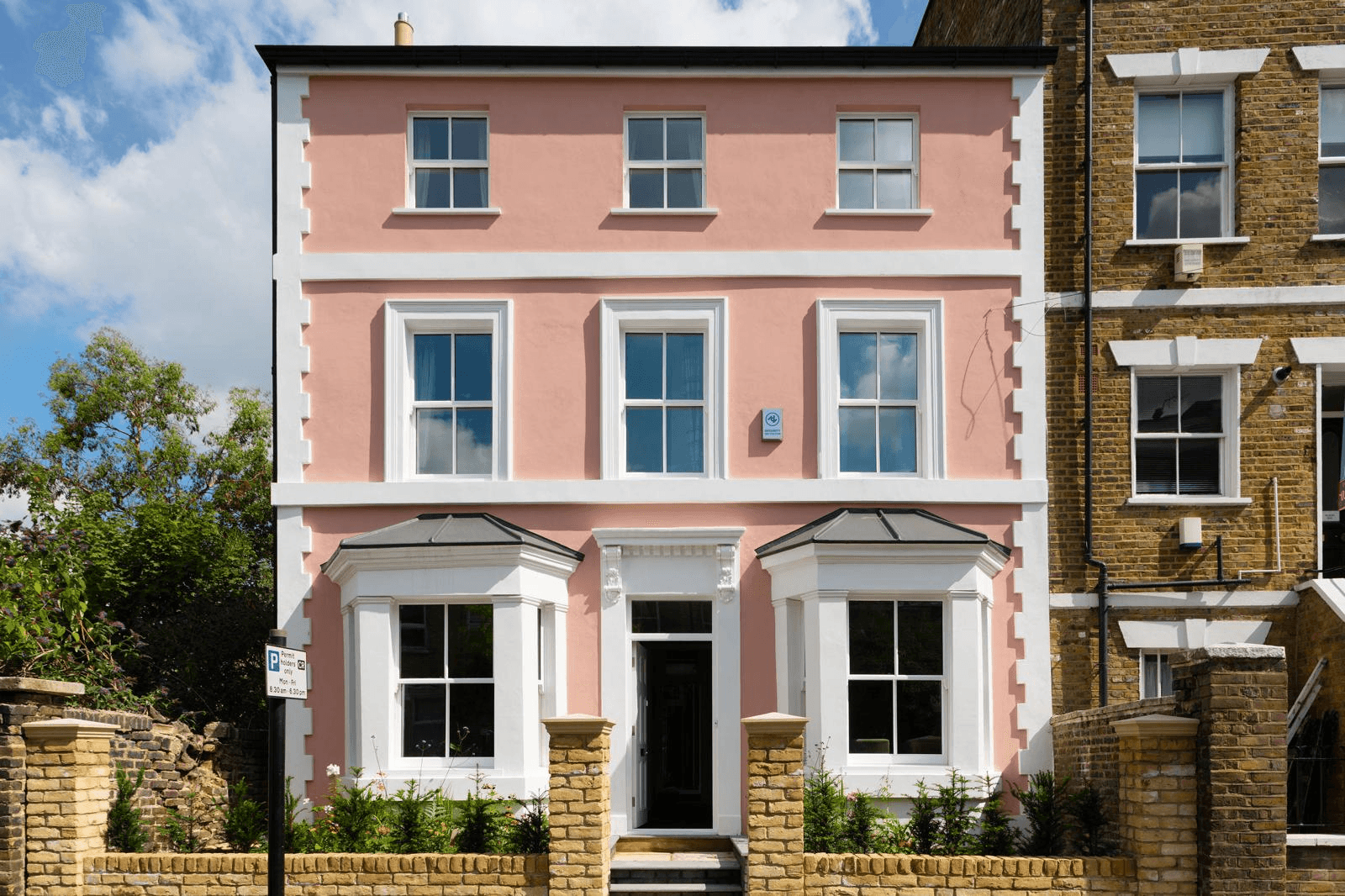
For a traditional Brighton or Hove terrace, calm, muted tones tend to work best with the architecture. Off-whites, pale greys, warm stone shades and soft sage greens sit well against Victorian and Edwardian render. Bold colours can work on some properties, but the period details usually call for restraint.
Most of the housing stock in BN1, BN2 and BN3 dates from the Victorian and Edwardian periods. The proportions, mouldings and cornicing on these buildings were designed around fairly neutral palettes, and colours that read well on a modern new-build often feel jarring against that backdrop.
If you want something with a little warmth, a pale ochre or aged white can read beautifully on a smooth rendered front. Cooler greys can look sharp but may feel flat in overcast conditions, which is worth bearing in mind in a coastal town.
It is also worth considering the street. Where a terrace runs in one continuous row, a colour that works in harmony with neighbours will almost always look more considered than one that clashes sharply. That is not about playing safe; it is about reading the context.
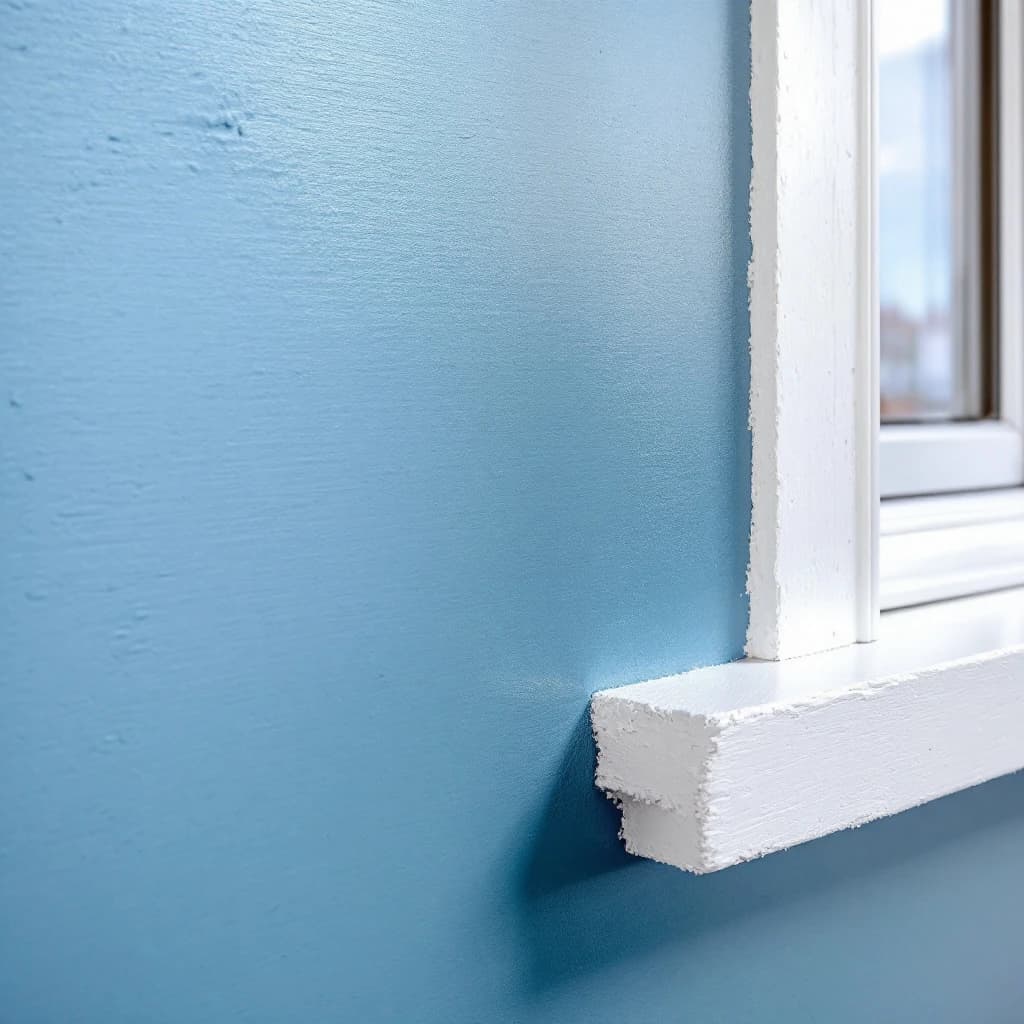
Proper preparation is what separates paintwork that holds up for years from a coat that starts peeling before the next winter.
How the coastal light affects how colours read on your walls
Coastal light in Brighton and Hove is brighter and more variable than inland light. A colour that looks warm and neutral on a paint chip can look cold and grey on a north-facing wall, or washed-out on a south-facing elevation in full summer sun. Always test a large sample directly on the wall before committing.
Paint companies produce small sample pots for a reason. Paint a section at least 30 cm square, ideally larger, and look at it at different times of day. The morning light coming off the sea is quite different from the flat afternoon light you get in sheltered streets further inland.
Reflective surfaces nearby, such as white-painted neighbours or large areas of render opposite, also bounce light onto your walls and shift how a colour reads. This is especially noticeable with mid-tone greys and greens.
The good news is that this variability is part of what makes the seafront and surrounding streets so visually interesting. Once you understand how your particular elevation sits in the light, choosing a colour that holds up through the seasons becomes much more straightforward.
Finishes and paints that actually hold up to the Brighton & Hove weather
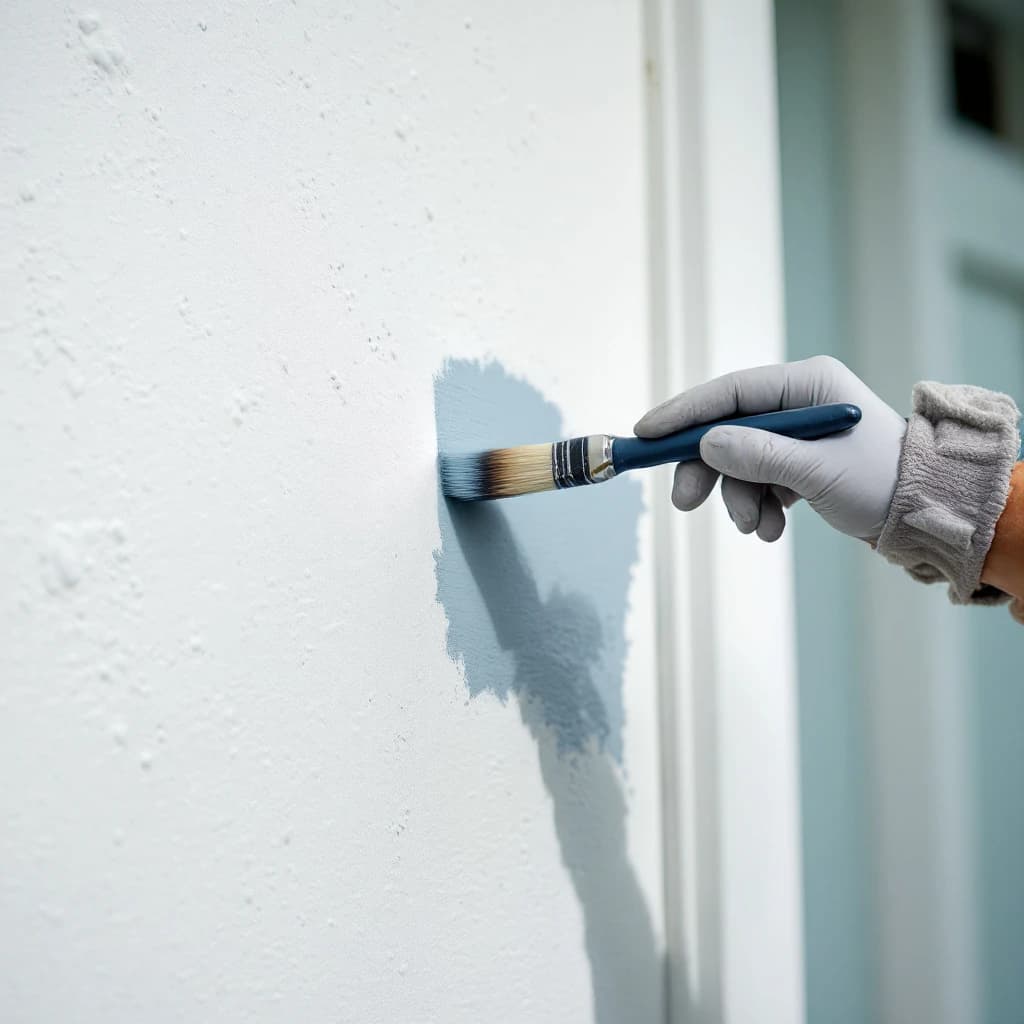
A breathable, flexible masonry paint is a reliable option for rendered exteriors in a coastal location. Products need to cope with salt-laden air, driving rain from the south-west, and freeze-thaw cycles in colder months. A flat or low-sheen finish tends to suit period render better than a high-gloss product.
I work with Dulux and Crown trade masonry products on most exterior jobs. Both ranges include formulations specifically rated for exposed or coastal conditions, and because I work with trade-quality paints including Dulux and Crown, I can match the right product to your particular surface rather than reaching for whatever is on the shelf.
For timber elements, sash window frames and soffits, a flexible exterior gloss or satin is essential. Timber moves with temperature and moisture, and a paint without enough flexibility will crack and let water in within a season or two.
Avoid anything described primarily as an interior paint, even on sheltered overhangs. The formulations are simply not built for the UV exposure and moisture that an exterior surface gets year-round.
- Breathable masonry paint for rendered walls
- Flexible exterior gloss or satin for timber frames and soffits
- Masonry primer or stabilising solution where render is porous or friable
Getting the preparation right before a single drop of paint goes on
Proper preparation is what separates paintwork that holds up for years from a coat that starts peeling before the next winter. On an exterior in Brighton or Hove that means checking render for cracks, cutting out and filling any defects, treating any organic growth, and priming bare or porous areas before the topcoat goes anywhere near it.
Render cracks are common on older Brighton and Hove properties, particularly on bay frontages and around window reveals where movement is greatest. Small hairline cracks can be filled with a flexible exterior filler; larger defects or sections of blown render need to be cut back and re-rendered before painting, otherwise the new coat simply traps moisture and the problem continues. Render repair and repainting makes up a good share of my exterior work across Brighton.
Organic growth, algae, moss and mould, is another issue on north-facing or sheltered walls. It needs to be treated with a biocidal wash and allowed to dry fully before any preparation or painting begins. Painting over it seals in the problem.
If you would like to discuss the scope of an exterior repaint, including what preparation your property is likely to need, get in touch for a quote and I will arrange a time to take a look.
Frequently asked questions
What exterior paint colours suit a traditional Brighton or Hove terrace?
Muted, period-appropriate tones work well: off-whites, warm stone shades, pale greys and soft sage greens tend to sit naturally with Victorian and Edwardian architecture. Bold colours can work on the right property, but the period details on most local terraces usually call for restraint. Always test a large sample on the actual wall before committing, as coastal light shifts how colours read.
How often does exterior paintwork need redoing in a coastal area?
On a well-prepared rendered exterior using a quality masonry paint, you can realistically expect the work to hold up for several years. Salt air, UV exposure and driving rain from the south-west all shorten the lifespan compared with a sheltered inland property, so condition checks every few years are sensible. Timber elements such as sash frames may need attention sooner. You can see the full range of exterior work I cover on the exterior and interior services page.
Does the render need to be repaired before painting outside?
Yes. Any cracks, blown sections or areas of loose render should be cut back and made good before painting begins. Applying paint over defective render traps moisture behind the surface and the new coat will fail quickly. A proper survey of the render condition is part of the preparation process before any exterior job I take on.
More reading
Related service
Want this doing in your own place? See my exterior painting service across Brighton & Hove.