
A decorator's guide to interior house paint in Brighton & Hove
Key takeaways
- Match paint type and sheen to the room's use and moisture level.
- Proper preparation decides longevity far more than the paint brand.
- Period properties need extra care around plaster, cornicing and joinery.
- Two coats over a correctly primed surface almost always outlasts three rushed ones.
- A local decorator familiar with Brighton and Hove stock saves time and rework.
Choosing the right interior house paint for each room
Pick your paint by how the room is used, not just by colour. Kitchens and bathrooms need moisture resistance; hallways and stairs need durability. Living rooms and bedrooms can take a standard emulsion. Getting this right at the start means you are not repainting the same wall twelve months later.
The core choice is between emulsion for walls and ceilings, and a water-based or oil-based paint for woodwork and trim. Most decorators now use water-based gloss or satinwood on skirting, doors and architraves; it is easier to work with, dries faster, and the finish is more stable over time.
For walls, trade emulsions from suppliers like Dulux or Crown tend to cover better and hold up longer than standard retail ranges. I use trade-quality paints including Dulux and Crown as a matter of course on interior painting and decorating work.
Colour is personal, but it is worth ordering sample pots and living with them through different light conditions before committing. Coastal light in Brighton and Hove can flatten warm tones and intensify cooler ones in a way that surprises people.
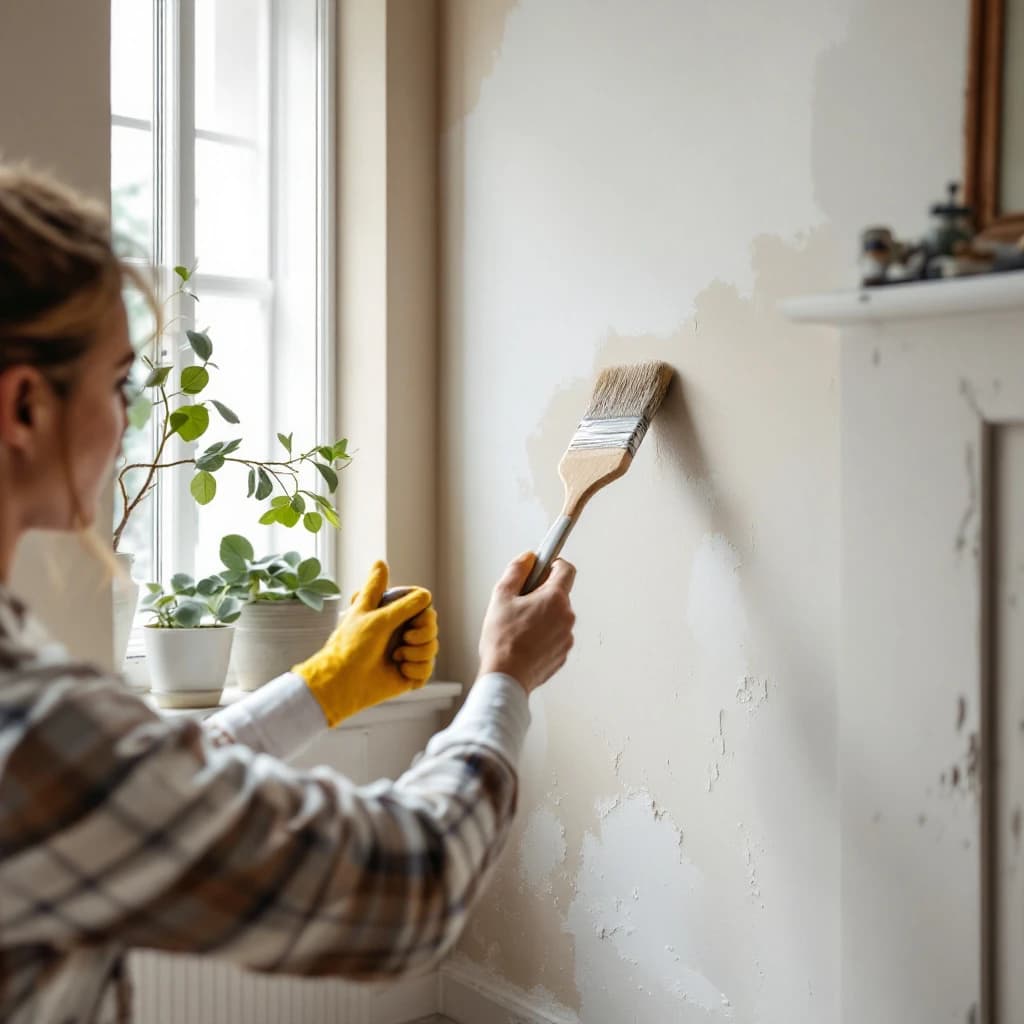
Proper preparation decides how long your paint holds up, not the number of topcoats.
Finish, sheen and where each one works
Flat matt hides imperfections and suits period plaster but marks easily. Soft sheen and eggshell are more practical in busy rooms. Satin and gloss belong on woodwork. Silk sits in between and works on walls where you want a little light reflection without drawing attention to uneven surfaces.
In older Brighton and Hove properties, walls are often far from flat. Original lime plaster, subsequent patch repairs, and years of settlement leave a surface that gloss emulsion would make look worse, not better. Matt or soft sheen is usually the right call. This surface work shapes every interior painting and decorating job I take on across Brighton.
On woodwork, eggshell gives a clean, low-sheen finish that is hardwearing and easy to wipe. Full gloss still has its place on period details where you want a traditional look, though it does demand a very smooth surface underneath.
A quick rule: the more traffic a surface gets, the more sheen it needs. A hallway dado rail takes more punishment than a bedroom ceiling.
- Flat matt: ceilings, period plaster walls, low-traffic rooms
- Soft sheen or silk: living rooms, bedrooms, general walls
- Eggshell: woodwork, skirting, doors, architraves
- Satin or gloss: traditional period joinery, high-traffic trims
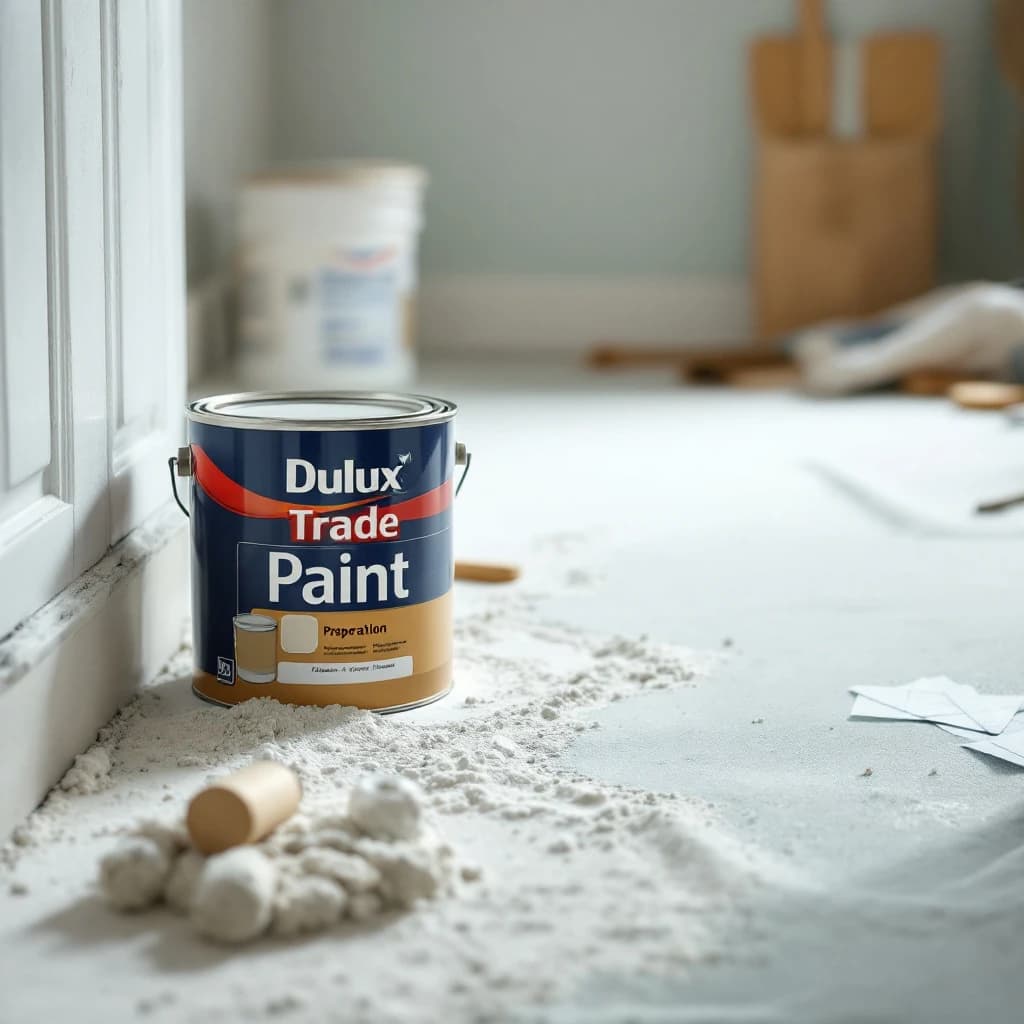
Preparation: the step that decides how long your paint holds up
Proper preparation is where the job is won or lost. Filling, sanding, priming and cleaning surfaces before a brush touches them is not optional extra effort; it is what determines whether a repaint lasts three years or ten. Corners cut here show up quickly, and fixing failing paint costs more than doing it right the first time.
In practice, preparation means washing down surfaces, scraping any loose or flaking paint back to a firm edge, filling cracks and holes, sanding smooth, and applying the right primer or undercoat before any topcoat goes on. On new plaster, a mist coat of diluted emulsion must go on first; skipping it causes the topcoat to dry patchy and peel.
Period properties in Brighton and Hove bring their own challenges: hairline cracks around cornicing, uneven plaster, old layers of oil-based paint that need careful preparation before water-based coats will bond. Knowing what you are working with matters.
Two coats over a correctly primed surface almost always outlasts three coats applied without preparation. The paint is only as good as what is underneath it.
Working with a local interior house painter in Brighton and Hove
A decorator who knows the local housing stock understands what they are walking into. Brighton and Hove properties, from Victorian terraces to Edwardian semis and purpose-built flats, each carry predictable quirks. Familiarity with those reduces surprises on the job and helps me give you a more accurate quote at the start.
I work across BN1, BN2 and BN3, and have spent around two decades decorating homes and managed properties across the area. That local experience, combined with being fully insured and working with trade-grade materials, means the results hold up for years rather than needing attention again quickly.
I keep disruption to a minimum: dust sheets down, furniture moved carefully, and the site left tidy at the end of each day. For occupied homes that matters as much as the finish itself.
If you are planning a repaint and want a straightforward conversation about what is involved, get in touch and I will come and take a look.
Frequently asked questions
How many coats of interior house paint does a typical room need?
Most rooms need two topcoats, applied over a properly prepared and primed surface. New plaster needs a mist coat first, then two full coats. If you are making a significant colour change, a third coat may be needed for even coverage, but two coats on good preparation is the standard.
Which paint finish works best in a Brighton and Hove period property?
Matt or soft sheen emulsion is well suited to the original lime plaster walls found in many Victorian and Edwardian properties here, as it does not highlight surface irregularities. Eggshell or satin works on woodwork. Avoid high-sheen finishes on uneven walls; they draw attention to every bump and repair.
How long should I wait between repainting interior rooms?
There is no fixed rule, but a well-prepared and properly painted interior surface should hold up for five to ten years in normal living conditions. High-traffic areas such as hallways may need attention sooner. If paint is flaking or staining before that, it usually points to a preparation issue rather than the paint itself.
More reading
Related service
Want this doing in your own place? See my interior painting & decorating service across Brighton & Hove.